Wondering how to get a thicker beard? You’re not alone. Many dream of sporting a fuller, more impressive beard. To achieve a thicker beard, focus on proper nutrition, consistent care, and the right products. This article will guide you through essential steps and tips to help you reach your beard goals.
Page Contents
Key Takeaways
- A balanced diet and supplements can support beard growth.
- Use topical treatments and beard products for better results.
- Proper beard care and grooming are crucial for a thicker beard.
Understanding Beard Growth
Beard growth varies among people and is influenced by genetics, hormones, and the natural hair growth cycle. Knowing these factors can help you understand what controls beard thickness and how to encourage growth.
Role of Genetics and Hormones
Your genetics play a major role in determining your beard growth. Traits passed down from your family affect how thick and fast your beard can grow. Hormones, especially testosterone and dihydrotestosterone (DHT), are also crucial. Higher levels of these hormones often lead to better beard growth.
If you have low testosterone levels, it can result in thinner beards. Some men may produce more DHT, leading to thicker, faster-growing beard hairs. However, even with high hormone levels, if your genetics don't support strong beard growth, you might still struggle.
The Hair Growth Cycle
Your beard grows in a cycle with three main phases: anagen (growth), catagen (transition), and telogen (resting).
During the anagen phase, your beard is actively growing, which lasts for several months to years. The catagen phase is a short period where hair stops growing and detaches from the follicle. Lastly, the telogen phase is a resting period before old hairs fall out and new hairs begin to grow.
Understanding these phases helps you realize why you may see slow or uneven growth. Faster growth in the anagen phase and minimal time in the telogen phase can lead to a thicker beard. Proper care, like regular washing and moisturizing, can also keep your follicles healthy and support robust hair growth.
Nutrition and Supplements for a Thicker Beard
A balanced diet and proper supplements can help improve beard growth. Focus on key vitamins, minerals, protein, and healthy fats to ensure you provide the necessary nutrients.
Vitamins and Minerals
Certain vitamins and minerals are essential for beard growth. Biotin is a key nutrient that supports hair health. You can find biotin in eggs, nuts, and whole grains.
Vitamin D is another important one, and spending time in the sun or taking a supplement can help you get enough. Zinc supports hair tissue growth and repair and can be found in meat, shellfish, and seeds. Ensuring you get sufficient vitamins and minerals will make a noticeable difference in beard thickness.
Protein and Healthy Fats
Protein is crucial for hair growth since hair is made up of a protein called keratin. Eat plenty of protein-rich foods like chicken, fish, beans, and nuts.
Healthy fats are also essential. They help your body absorb vitamins that support hair growth. Include sources of healthy fats such as avocados, olive oil, and fatty fish like salmon. By incorporating enough protein and healthy fats into your diet, you'll provide the building blocks needed for a thicker beard.
Topical Treatments and Beard Products
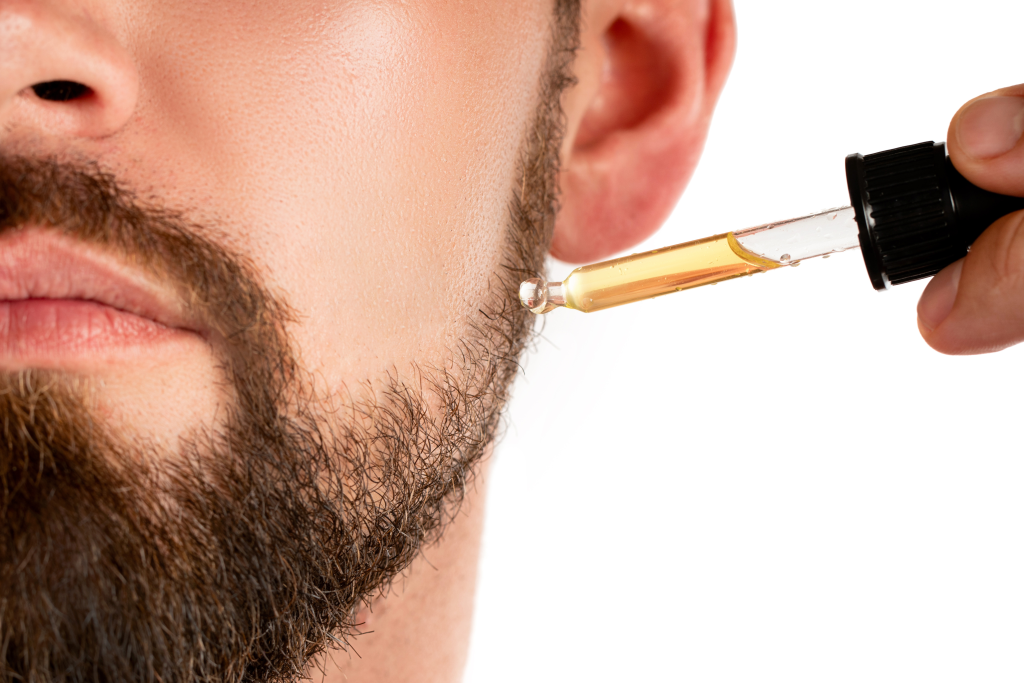
There are several topical treatments and products that can help in achieving a thicker beard. Key options include beard oil and balm, along with Minoxidil, commonly known by the brand name Rogaine.
Using Beard Oil and Balm
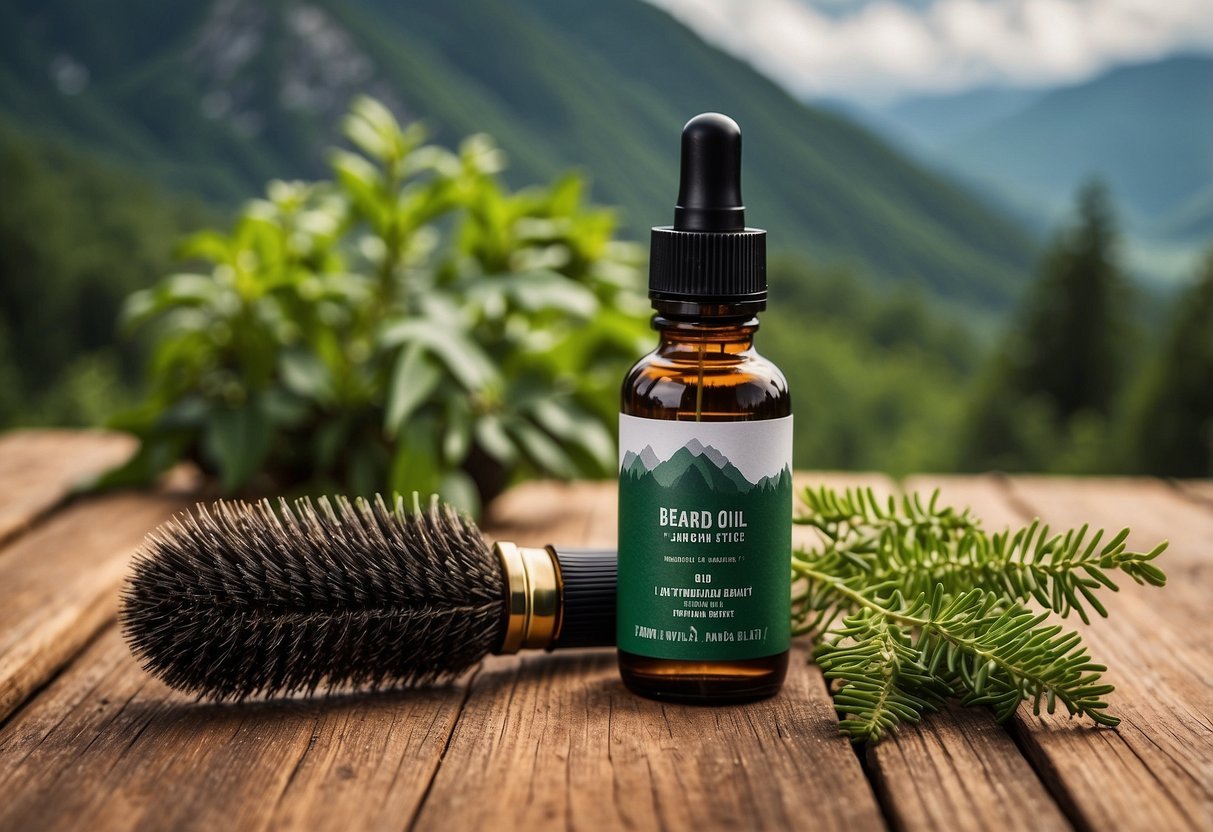
Beard oil and balm are essential for beard health. Beard oil moisturizes, conditions, and softens beard hair. It often contains natural oils like castor oil, which promotes hair growth and strength.
Beard balm offers similar benefits but has a thicker consistency. It provides hold to keep your beard styled and manageable. Regularly using both products can improve your beard's appearance and thickness over time.
To use, apply a few drops of beard oil to your fingertips and massage it into your beard and skin. For beard balm, scoop a small amount, rub it between your palms, and work it through your beard evenly.
Understanding Minoxidil
Minoxidil, often sold under the brand name Rogaine, is a common treatment for hair growth. It is used to stimulate facial hair growth and can make your beard appear thicker.
Apply Minoxidil directly to your face where you want more beard growth. It is important to follow the instructions on the package for safe and effective use.
Consistency is key with Minoxidil. You may start seeing results after a few months of regular use. Note that some users may experience side effects, so it is important to monitor your skin's reaction and consult a healthcare provider if needed.
Lifestyle Factors Influencing Beard Growth

Certain lifestyle choices can significantly impact the thickness and health of your beard. These include regular exercise, getting enough sleep and rest, and managing stress.
The Importance of Exercise
Exercise plays a vital role in beard growth. When you exercise, your blood circulation improves. Good blood flow ensures that hair follicles receive the nutrients they need.
Weightlifting and cardio are great for boosting testosterone levels, which can aid in beard growth. Consider incorporating a mix of both in your routine.
Apart from boosting growth, regular exercise helps you maintain overall health. A healthy body supports a healthy beard. Try to stay active for at least 30 minutes most days of the week.
Getting Adequate Sleep and Rest
Sleep is crucial for beard growth. Aim for 8 hours of sleep each night. When you sleep, your body repairs itself, and this includes your hair follicles.
Without enough rest, your body produces more cortisol, a stress hormone that can slow down hair growth. Resting also allows the cells in your follicles to regenerate and stay strong.
Quality sleep improves your health in many ways. It helps your beard grow thicker and fuller by giving your body the time it needs to heal and refresh.
Stress Management Techniques
Managing stress is important for healthy beard growth. High stress levels can lead to increased production of cortisol. Elevated cortisol levels can inhibit beard growth.
Effective techniques include meditation, deep breathing exercises, and yoga. These activities can lower your cortisol levels. Make time each day to unwind and relax.
You can also manage stress through hobbies or spending time with friends and family. Reducing stress helps in maintaining your overall health, which is key to a thick and healthy beard.
Beard Care and Maintenance
To keep your beard healthy and looking great, it's important to wash, moisturize, trim, and shape it properly. These steps also help in preventing itchiness and dry skin.
Washing and Moisturizing
Use a beard shampoo to wash your beard. Regular hair shampoo can be too harsh and dry out your skin. Beard shampoo helps to clean without stripping natural oils.
After washing, apply beard conditioner or oil. This keeps your beard soft and hydrated. Moisturizing reduces dryness and flakiness, making your beard easier to manage.
Pat your beard dry with a clean towel. Avoid rubbing, which can cause frizz and split ends. For extra softness, you can use a beard balm.
Trimming and Shaping
To keep your beard looking its best, trim it regularly. Use a quality beard trimmer with adjustable settings. Start with a longer length and gradually trim more if needed.
Define your neckline and cheekline for a clean look. Use small scissors to trim stray hairs around these areas. Regular trimming prevents split ends and uneven growth.
Comb your beard daily. This helps to detangle and keep it neat. A boar bristle brush can help to distribute oils evenly and improve beard texture.
Fighting Itchiness and Dry Skin
Itchiness is a common issue with beard growth, especially in the early stages. Keeping your beard clean and moisturized can help minimize itchiness. Use a beard oil infused with ingredients like jojoba or argan oil.
For dry skin, exfoliate your beard area weekly using a gentle scrub or brush. This removes dead skin cells and reduces flakiness.
Avoid very hot showers, which can dry out your skin and beard. Rinse your beard with lukewarm water and apply moisturizer promptly after drying.
Advanced Beard Grooming Techniques
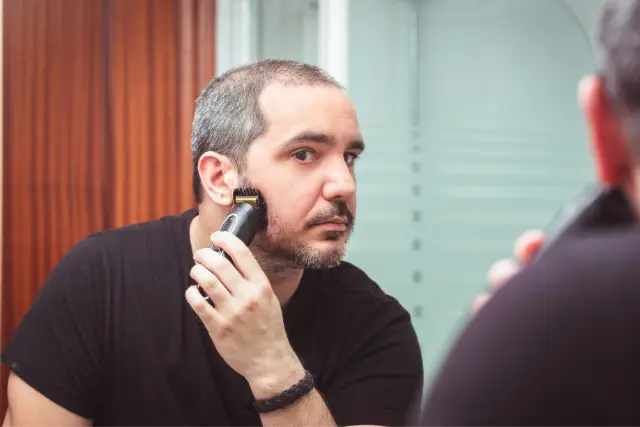
Achieving a thicker beard involves precise shaving methods, strategic styling, and professional treatments.
The Art of Shaving
To enhance your beard's thickness, mastering your shaving technique is crucial. Shaving the right way stimulates growth and maintains your beard's health.
Use a sharp razor and shave in the direction of hair growth to avoid ingrown hairs. Regular trimming with a beard trimmer helps eliminate split ends and keeps the beard looking full.
Consider using pre-shave oil to soften the hair and protect the skin. Post-shave, apply a moisturizing balm to soothe the skin and promote healthy growth.
Styling and Shaping Tricks
Proper styling can make a beard appear thicker. Shaping is key. Use a high-quality beard trimmer to define your beard's edges and maintain its shape.
Beard products like wax or balm can help hold your style in place. Comb your beard regularly to detangle it and give it a fuller look.
Experiment with different styles to find what suits your face shape best. Keeping the beard longer on the chin area while short on the sides can create the illusion of a thicker beard.
Professional Beard Treatments
Seeking professional treatments can significantly impact your beard's thickness. Microneedling is a technique where tiny needles create micro-injuries on the skin, stimulating hair follicles and promoting growth.
A beard transplant is a surgical option for those with patchy areas. Hair is taken from other parts of the body and implanted onto the beard area.
Consider visiting a beard specialist for personalized advice and to explore more advanced treatments. Professional guidance can help achieve the desired thickness and fullness.
The Journey to a Fuller Beard
Growing a fuller beard takes patience and commitment. It won't happen overnight. You need to give your beard time to grow, especially if you have a patchy beard.
Testosterone levels play a role in beard growth. Higher levels can help, but not everyone has the same levels. It's normal for growth rates to vary.
To improve beard density and length, focus on a healthy lifestyle. Eat a balanced diet with enough vitamins, like B vitamins and biotin. Exercise regularly to boost circulation.
Tips for a Fuller Beard
- Stay hydrated: Drink plenty of water each day.
- Avoid stress: Stress can slow beard growth.
- Sleep well: Aim for 7-8 hours of sleep each night.
Grooming is also important. Trim your beard to keep it neat, even if it’s still growing. Use beard oils to keep your skin and beard moisturized.
If you’re committed to getting a fuller beard, be patient and follow these steps. It’s a journey, but with the right care and commitment, you can achieve your goal.
Frequently Asked Questions

Here are some common questions about getting a thicker beard, including natural methods, useful techniques, the role of trimming, and factors that influence beard density.
What natural methods can promote thicker beard growth?
Eating a balanced diet rich in vitamins and minerals can support beard growth. Foods rich in Biotin, Vitamin E, and Omega-3 fatty acids can be helpful. Regular exercise and managing stress levels also play important roles.
What techniques help in achieving a fuller beard more quickly?
Using beard oils and grooming products can keep your beard healthy. Massaging your face can stimulate hair follicles. Avoiding frequent trimming helps the beard grow out. Ensuring proper skin care can also help.
Does regularly trimming facial hair contribute to increased beard density?
Regular trimming does not make your beard thicker. It can help keep your beard looking neat and can prevent split ends, which may make the beard appear fuller and healthier. The density is influenced by genetics and overall health.
What factors determine the thickness of a beard?
Genetics plays the biggest role in determining your beard’s thickness. Hormonal levels, especially testosterone, also affect beard growth. Age, skin health, and lifestyle choices like diet and exercise can influence beard density as well.