
Finding the right foot cream for combination skin means balancing two needs: enough moisture to soften dry heels and calluses without leaving the rest of your feet greasy or uncomfortable.
We compared 10 targeted formulas, from high-strength urea and exfoliating treatments to fast-absorbing creams for everyday maintenance. The guide below highlights what to look for based on dryness, sensitivity, texture, and routine.
Page Contents
- Best 10 Foot Creams for Combination Skin Picks for 2026
- Maximum-Strength Smoothing Pick – 42% Urea Foot & Hand Cream
- Fast-Acting Daily Care Pick – O'Keeffe's Healthy Feet Cream
- Fragrance-Free Exfoliating Pick – AmLactin Foot Repair Cream
- Targeted Cracked-Heel Pick – Kerasal Intensive Foot Repair
- Overnight Renewal Pick – Dr. Scholl's Urea Foot Cream
- Everyday Nourishing Value – Gold Bond Healing Foot Cream
- Refreshing Botanical Option – New York Biology Tea Tree Foot Cream
- Deep Repair Pick – Dr. Scholl's 25% Urea Foot Cream
- Daily Comfort Pick – L'OCCITANE Shea Butter Foot Cream
- Best Simple Pick – 40% Urea Foot Cream with Salicylic Acid
- How We Picked the Best Foot Creams for Combination Skin
- Quick Comparison
- Key Buying Factors for Foot Creams for Combination Skin
- Who Should Buy Which Foot Creams for Combination Skin?
Best 10 Foot Creams for Combination Skin Picks for 2026
Maximum-Strength Smoothing Pick

- 42% urea hydrates rough, cracked skin
- 2% salicylic acid exfoliates calluses
- Aloe, shea butter, and vitamin E support comfort
Best For: Intensive care for cracked heels and rough patches
Fast-Acting Daily Care Pick
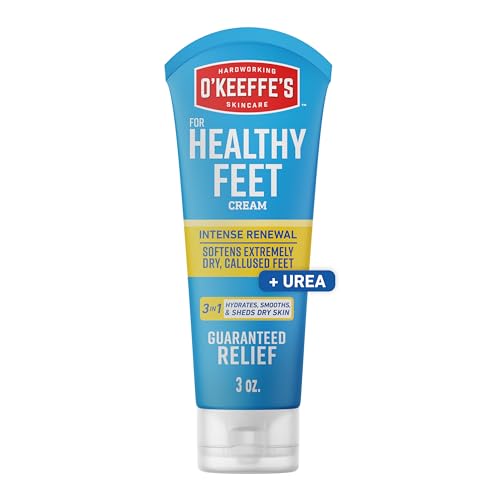
- Urea and AHA exfoliate and soften dry skin
- Shea butter helps lock in moisture
- Non-greasy, portable 3-ounce tube
Best For: Routine care for extremely dry, cracked feet
Fragrance-Free Exfoliating Pick

- 15% lactic acid smooths rough skin
- Hydrates while softening calluses
- Fragrance-free and non-greasy
Best For: Callus care without scrubbing or fragrance
Targeted Cracked-Heel Pick
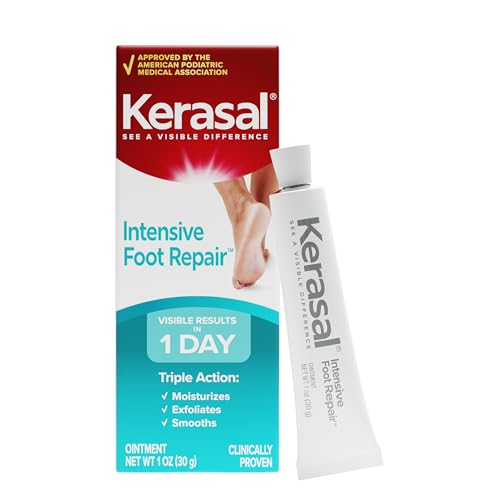
- 5% salicylic acid and 10% urea exfoliate
- Petrolatum helps seal in moisture
- Compact, unscented, water-resistant ointment
Best For: Targeted repair of cracked heels and dry feet
Overnight Renewal Pick

- Urea-rich formula for rough, dry feet
- Includes reusable toeless heel sleeves
- Designed for overnight softening
Best For: Dry heels and intensive nighttime care
Everyday Nourishing Value

- Contains seven moisturizers and three vitamins
- Aloe helps soothe dry, rough feet
- Four 4-ounce bottles included
Best For: Routine moisturizing and larger household supplies
Refreshing Botanical Option
New York Biology Tea Tree Foot Cream

- Tea tree oil, aloe, and hyaluronic acid
- Protective layer helps lock in hydration
- Large 8-ounce jar for daily use
Best For: Tea tree enthusiasts and daily foot moisturizing
Deep Repair Pick
Dr. Scholl's 25% Urea Foot Cream
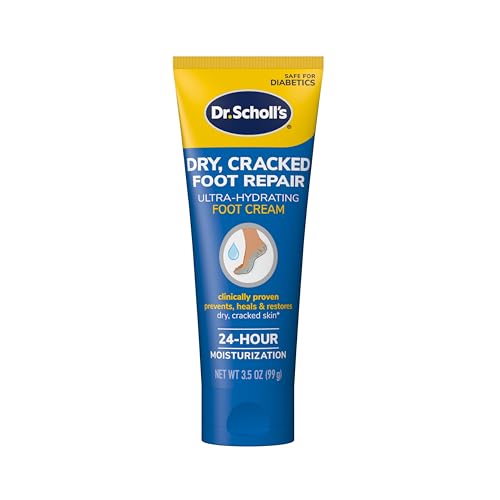
- 25% urea targets dry, cracked feet
- Provides up to 24 hours of hydration
- Contains soothing Epsom salt and essential oils
Best For: Very dry, cracked heels and rough areas
Daily Comfort Pick
L'OCCITANE Shea Butter Foot Cream

- 15% organic shea butter nourishes dry skin
- Fast-absorbing and non-greasy
- Designed to soothe and soften feet
Best For: Daily moisture for dry or delicate feet
Best Simple Pick
40% Urea Foot Cream with Salicylic Acid

- 40% urea and 2% salicylic acid exfoliate rough skin
- Ceramides and hyaluronic acid support moisture
- Fast-absorbing, non-greasy texture
Best For: Thick calluses, corns, and stubborn rough heels
Maximum-Strength Smoothing Pick – 42% Urea Foot & Hand Cream
For shoppers comparing foot creams for combination skin, this formula combines intensive hydration with exfoliating ingredients. Its 42% urea and 2% salicylic acid target rough, cracked areas, while aloe vera, shea butter, and vitamin E help support a more comfortable, moisturized feel.
Best For: Adults needing intensive treatment for cracked heels, calluses, and rough patches on the feet or other dry areas.
Pros:
- High-strength 42% urea helps deeply hydrate and soften rough skin.
- 2% salicylic acid helps exfoliate calluses and dry patches.
- Includes soothing aloe vera, moisturizing shea butter, and vitamin E.
- Unscented and suitable for use on feet, hands, elbows, and knees.
Cons:
- The concentrated exfoliating formula may be more than needed for mildly dry skin.
- Tea tree oil and multiple active ingredients may not suit every preference.
This is the most intensive option in the group, making it a practical choice for pronounced roughness rather than everyday light moisturization.
Fast-Acting Daily Care Pick – O'Keeffe's Healthy Feet Cream
O’Keeffe’s Healthy Feet is a practical choice among foot creams for combination skin when you want exfoliation and moisture in one non-greasy cream. Its urea, alpha hydroxy acid, and shea butter formula is designed for extremely dry, rough feet and can be applied at bedtime or after bathing.
Best For: Adults seeking fast-acting care for dry, cracked feet in a portable 3-ounce tube.
Pros:
- Combines urea, alpha hydroxy acid, and shea butter to exfoliate and moisturize.
- Designed to provide softer-feeling feet after one use and hydration for up to 48 hours.
- Non-greasy formula helps create a moisture-locking barrier.
- Hypoallergenic, dye-free, lanolin-free, and suitable for people with diabetes according to the supplied details.
Cons:
- Formulated specifically for dry skin, so it may feel intensive for less-dry areas.
- Contains peppermint oil, which may not appeal to shoppers seeking a completely ingredient-minimal formula.
Its balanced exfoliating and barrier-supporting approach makes this a versatile option for regular cracked-foot maintenance, especially overnight.
Fragrance-Free Exfoliating Pick – AmLactin Foot Repair Cream
AmLactin Foot Repair uses 15% lactic acid to resurface rough skin while providing hydration, making it a strong consideration when comparing foot creams for combination skin. The fragrance-free, dye-free, and paraben-free formula is designed to soften calluses and cracked heels without scrubbing or rinsing.
Best For: Adults who prefer a fragrance-free lactic-acid cream for rough, dry feet and calluses.
Pros:
- 15% lactic acid exfoliates and supports skin renewal.
- Moisturizes and softens calluses without requiring a separate scrub.
- Fast-absorbing, non-greasy, and pH balanced.
- Fragrance-free, dye-free, paraben-free, and phthalate-free.
Cons:
- The 15% acid concentration may be too active for shoppers wanting simple daily moisture.
- Its supplied skin-type designation is dry skin rather than combination skin.
This is a focused resurfacing option for shoppers who want chemical exfoliation and hydration together, particularly without fragrance or physical scrubbing.
Targeted Cracked-Heel Pick – Kerasal Intensive Foot Repair
Kerasal Intensive Foot Repair is a concentrated ointment for shoppers comparing foot creams for combination skin and dealing with visibly dry, cracked feet. It combines 5% salicylic acid and 10% urea with soft white petrolatum to exfoliate, soften, and help seal in moisture.
Best For: Adults targeting cracked heels and severely dry areas with a compact, water-resistant ointment.
Pros:
- Combines salicylic acid and urea to exfoliate and soften rough skin.
- Soft white petrolatum helps moisturize and protect against moisture loss.
- Supplied details report visible results in one day.
- Unscented, paraben-free, and water resistant.
Cons:
- The 1-ounce package is smaller than the other listed options.
- Ointment texture may feel heavier than a fast-absorbing cream.
- Designed for dry skin and targeted repair rather than lightweight all-over use.
Choose this compact ointment when cracked heels are the priority and you prefer a protective petrolatum base alongside exfoliating actives.
Overnight Renewal Pick – Dr. Scholl's Urea Foot Cream
If you want foot creams for combination skin that can target especially dry heels without adding a complicated step, Dr. Scholl’s overnight treatment is designed for nighttime use. Its formula includes urea, glycerin, aloe, and coconut oil, and the included toeless sleeves help hold moisture against the heels while you sleep.
Best For: Adults with rough, dry feet who prefer an intensive overnight routine and added heel coverage.
Pros:
- Includes urea along with aloe, coconut oil, and glycerin for intensive moisturization.
- Reusable, breathable, toeless sleeves help cover heels and reduce moisture loss.
- Designed to soften rough skin overnight, with visible results claimed after one night.
Cons:
- The overnight sleeves may feel less convenient than a standard daily foot cream.
- The supplied details identify it specifically for dry skin rather than combination skin.
This is the most treatment-focused option of the three, making it a practical choice when dry heels are the main concern. The included sleeves add value for shoppers willing to commit to a nighttime application.
Everyday Nourishing Value – Gold Bond Healing Foot Cream
For shoppers comparing foot creams for combination skin, Gold Bond Healing Foot Cream offers a straightforward moisturizing option with aloe, seven moisturizers, and three nourishing vitamins. Its rich cream texture is intended for dry, rough heels and can fit into a regular foot-care routine.
Best For: Adults seeking a dermatologist-tested, aloe-containing cream for routine dryness and rough heels.
Pros:
- Uses seven moisturizers and three vitamins to nourish and soften feet.
- Aloe helps soothe and comfort dry, rough feet and heels.
- Dermatologist tested and described as hypoallergenic, dye free, paraben free, and phthalate free.
- The listing includes four 4-ounce bottles for a substantial supply.
Cons:
- The rich formula may feel heavier for shoppers who dislike substantial creams.
- The supplied details list skin types as all and dry, without specific combination-skin claims.
Gold Bond is a sensible pick for buyers who want a familiar, multi-moisturizer formula and a larger multi-bottle supply. It emphasizes nourishment and softening rather than a specialized overnight treatment.
Refreshing Botanical Option – New York Biology Tea Tree Foot Cream
New York Biology Tea Tree Oil Foot Cream - 8 oz | Moisturizing Care for Dry Feet & Rough Heels
Check Price On AmazonIf you prefer foot creams for combination skin with a lighter, refreshing botanical profile, New York Biology Tea Tree Foot Cream is formulated with tea tree oil, aloe vera, and hyaluronic acid. The daily-use cream is intended to hydrate and soften dry, rough feet while leaving a protective layer that helps lock in moisture.
Best For: Adults who want a daily foot moisturizer with tea tree essence and a large 8-ounce format.
Pros:
- Combines tea tree oil, aloe vera, and hyaluronic acid for hydrating and softening care.
- Creates a protective surface layer intended to help reduce moisture loss.
- Free of alcohol, parabens, and sulfates, and described as cruelty free and plant-based.
- The 8-ounce jar provides more product than the other listed options.
Cons:
- The tea tree scent may not suit shoppers who prefer unscented products.
- The jar format may be less hygienic or portable than a tube.
- The supplied skin-type information identifies it for dry skin rather than combination skin.
This option stands out for its tea tree scent, botanical positioning, and generous size. It is best suited to shoppers who want a daily moisturizing layer and do not mind a fragranced jar formula.
Deep Repair Pick – Dr. Scholl's 25% Urea Foot Cream
For combination skin that needs targeted moisture without a complicated routine, Dr. Scholl’s 25% urea cream is a strong option among foot creams for combination skin. Its professional-strength formula is designed for dry, cracked feet and provides up to 24 hours of hydration.
Best For: Very dry, cracked heels and rough areas that need intensive softening.
Pros:
- Contains 25% urea for intensive moisturizing and softening.
- Includes Epsom salt and eucalyptus, lavender, and peppermint essential oils for a soothing experience.
- Designed to help restore the skin’s natural moisture balance.
- Alcohol-free formula in a convenient 3.5-ounce tube.
Cons:
- The rich, professional-strength formula may be more than mildly dry areas require.
- Essential oils and the eucalyptus, lavender, and peppermint scent may not suit fragrance-sensitive users.
Choose this cream when cracked heels and significant roughness are your main concerns. For combination skin, apply it selectively to the driest areas rather than using a heavy layer everywhere.
Daily Comfort Pick – L'OCCITANE Shea Butter Foot Cream
L’OCCITANE’s Shea Butter Foot Cream suits shoppers who want a comfortable daily moisturizer in the foot creams for combination skin category. The 15% organic shea butter formula is designed to nourish, soften, and hydrate while absorbing quickly without a greasy finish.
Best For: Daily maintenance of dry or delicate feet when a fast-absorbing texture matters.
Pros:
- Made with 15% organic shea butter to nourish and soften skin.
- Fast-absorbing, non-greasy texture is practical for regular use.
- Designed to soothe discomfort and help maintain skin suppleness.
- Large 5.3-ounce size supports an ongoing foot-care routine.
Cons:
- The shea butter scent may not appeal to fragrance-sensitive users.
- Its notes emphasize nourishment and softness rather than intensive exfoliation.
This is a balanced choice for combination skin when some areas need moisture but you prefer not to leave a heavy residue. Massage it over the feet after cleansing, using extra product on dry heels.
Best Simple Pick – 40% Urea Foot Cream with Salicylic Acid
For combination skin with concentrated calluses, rough soles, or cracked heels, this maximum-strength formula offers exfoliation plus barrier-supporting hydration. It combines 40% urea with 2% salicylic acid, ceramides, hyaluronic acid, and peptides for a targeted approach to foot care.
Best For: Thick calluses, corns, rough heels, and stubborn dead skin that need stronger treatment.
Pros:
- Uses 40% urea and 2% salicylic acid to soften calluses and exfoliate.
- Includes ceramides, hyaluronic acid, peptides, aloe, and allantoin for moisturizing and soothing support.
- Fast-absorbing, non-greasy formula is described as suitable for daily use.
- Can also be used on rough elbows, knees, and hands.
Cons:
- Its maximum-strength exfoliating formula may be too intense for mildly dry areas.
- The tea tree and menthol scent may not suit everyone.
- Users with sensitive skin should introduce a strong urea-and-acid formula cautiously.
This is the most treatment-focused option of the three. For combination skin, keep application limited to callused or cracked areas, while using a gentler moisturizer on smoother parts of the feet.
How We Picked the Best Foot Creams for Combination Skin
We focused on formulas that address uneven foot moisture rather than treating every foot the same. Selection criteria included the type and concentration of active ingredients, intended use, texture, moisturizing support, package size, and suitability for common concerns such as cracked heels, rough patches, calluses, and odor.
Urea, lactic acid, and salicylic acid received particular attention because they can help loosen hardened skin while supporting smoother texture. We also considered emollients such as shea butter, vitamin E, aloe, and occlusive ingredients that help reduce moisture loss. Because combination skin can become irritated by over-exfoliation, strength and frequency of use matter as much as ingredient lists.
Quick Comparison
| Best For | Look For | Typical Texture |
|---|---|---|
| Daily maintenance | Moderate moisturizers, aloe, shea butter | Light cream |
| Rough heels and calluses | Urea or lactic acid | Rich cream or balm |
| Very thick, cracked skin | High-strength urea or salicylic acid | Ointment or concentrated cream |
| Overnight repair | Occlusives, urea, heel socks | Thick cream or mask |
| Fresh-feeling care | Tea tree oil, aloe, quick-absorbing hydrators | Light to medium cream |
Key Buying Factors for Foot Creams for Combination Skin
Choose the Active by the Problem
Urea is a versatile choice for dry, rough feet because it attracts moisture and helps soften thickened skin. Lower concentrations are generally better for regular care, while stronger formulas are more appropriate for stubborn calluses and cracked heels. Lactic acid provides gentle chemical exfoliation alongside hydration, whereas salicylic acid is useful for localized rough, hardened areas.
Match Richness to Where You Need It
Combination feet may need a richer product on the heels and a lighter layer across the soles or tops of the feet. Fast-absorbing creams are more practical during the day; thicker ointments, masks, and creams work well at night. Applying a small amount first can help prevent slipperiness and product buildup.
Check Comfort and Sensitivity
Fragrance, essential oils, acids, and high-strength exfoliants may not suit sensitive or irritated skin. Avoid applying exfoliating foot treatments to open cracks, rashes, or freshly shaved skin. Stop use if burning or persistent redness develops, and follow the label instructions for frequency.
Consider Size and Routine
A larger tube is convenient for daily use, while a smaller concentrated treatment may last longer when applied only to problem areas. For overnight care, cotton socks can help keep cream in place, but feet should remain comfortable and not overly occluded.
Who Should Buy Which Foot Creams for Combination Skin?
- For mild dryness and regular upkeep: Choose a balanced, moisturizing cream with aloe, shea butter, or vitamin E.
- For rough heels and moderate calluses: Look for a urea or lactic-acid formula that combines exfoliation with hydration.
- For stubborn calluses and deep dryness: Consider a high-strength urea or salicylic-acid treatment, using it selectively rather than all over.
- For overnight repair: Pick a richer cream, ointment, or foot mask and apply it before bed.
- For a lighter, fresh-feeling option: Tea tree oil and aloe formulas may appeal to shoppers who dislike heavy residue, though sensitive users should review the ingredient list carefully.
The best choice among these Foot Creams for Combination Skin depends on whether your priority is everyday moisture, targeted exfoliation, overnight repair, or a lighter finish. Start with the least aggressive formula that addresses your needs, then increase treatment strength only when necessary.