
When you think about the ultimate skeleton watch for 2026, it's crucial to take into account what truly sets a timepiece apart. You're not just looking for a pretty face; functionality and craftsmanship matter too. From the materials used to the movement type, each detail plays a role in your choice. So, what should you prioritize to guarantee you find the perfect blend of style and performance? Let's explore the key factors together.
Page Contents
Fossil Men's Townsman Automatic Skeleton Watch
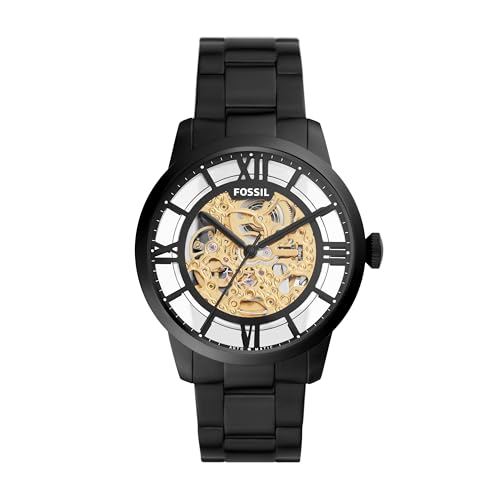
If you’re a man who values both functionality and style in your accessories, the Fossil Men's Townsman Automatic Skeleton Watch is your perfect match. This stunning timepiece blends American creativity with impeccable craftsmanship, showcasing an intricate skeleton design that reveals its precise mechanics. With its stainless steel and leather construction, it offers durability and elegance, making it suitable for both casual and dress occasions. You'll appreciate its accurate timekeeping, ensuring you're always punctual. Designed for fashion-forward men, this watch isn't just an accessory; it’s a statement piece that elevates any outfit. Embrace the blend of style and function with Fossil's Townsman.
Best For: The Fossil Men's Townsman Automatic Skeleton Watch is best for fashion-forward men who appreciate both functionality and stylish accessories.
Pros:
- Stylish Design: The intricate skeleton design adds a unique touch, making it a standout piece.
- Durable Construction: Made with stainless steel and leather, ensuring longevity and resilience.
- Accurate Timekeeping: Reliable mechanics keep you punctual for any occasion.
Cons:
- Limited Water Resistance: Not ideal for water-related activities or heavy exposure to moisture.
- Complexity of Mechanics: The skeleton feature may require careful handling to avoid damage.
- Price Point: Might be considered a bit high for those seeking budget-friendly options.
Factors to Consider When Choosing Skeleton Watches
When choosing a skeleton watch, you’ll want to take into account several key factors. Think about design aesthetics that match your style, the type of movement that suits your needs, and the materials for durability. Don’t forget to check the brand's reputation and the water resistance levels to guarantee you make a wise investment.
Design Aesthetics and Style
As you explore the world of skeleton watches, you'll quickly notice their enchanting design, which beautifully showcases intricate mechanical movements beneath transparent dials. This fascinating aesthetic appeals to those who appreciate fine craftsmanship and engineering. The blend of traditional watchmaking techniques with modern styles creates a unique look that can elevate any outfit. Whether you prefer a vintage or contemporary vibe, there's a skeleton watch for you.
Consider the materials too—stainless steel, leather, and sapphire crystal not only enhance durability but also contribute to the overall style. Pay attention to finishing details, such as embellishments and color palettes, as these elements can greatly impact the watch's visual appeal, making it perfect for both casual and formal occasions.
Movement Type and Mechanism
Understanding the movement type and mechanism of a skeleton watch is essential for making an informed choice. Skeleton watches typically feature either mechanical or automatic movements. Automatic movements harness the energy from your wrist's motion, eliminating the need for a battery. In contrast, mechanical movements require regular winding to maintain accuracy. The beauty of skeleton designs lies in their transparency, allowing you to admire the intricate gears and craftsmanship behind the movement. Keep in mind that the precision of a skeleton watch largely depends on the movement’s quality; higher-end models offer better accuracy and durability. Also, consider the power reserve, which indicates how long your watch will function without winding, usually ranging from 24 to 72 hours.
Material Quality and Durability
Choosing a skeleton watch means paying close attention to material quality and durability, as these factors play an essential role in the overall experience. Stainless steel is a popular choice due to its resistance to corrosion and scratches, ensuring your watch lasts longer. Opt for high-quality models that feature sapphire crystal glass for the dial, as it’s known for its hardness and scratch-resistant properties. While leather straps can enhance comfort and style, remember they need proper care to maintain their durability. The movement, typically made from robust metals, should be precisely crafted for longevity and accurate timekeeping. Additionally, consider the overall weight and balance of materials, as this affects both durability and your comfort when wearing the watch.
Brand Reputation and Heritage
When selecting a skeleton watch, brand reputation and heritage can greatly influence your decision-making process. Established brands often have a proven track record of craftsmanship and quality, ensuring you invest in a reliable timepiece. Look for companies with a rich heritage, as they typically showcase expertise in watchmaking and a commitment to innovation over the years. A strong focus on design aesthetics will enhance the overall appeal and uniqueness of your chosen watch. Researching customer reviews can provide valuable insights into satisfaction levels and durability. Brands that emphasize their heritage often incorporate traditional watchmaking techniques, enriching the intricacy and artistry of their skeleton designs, making your selection not just a purchase, but a piece of history.
Water Resistance Levels
While you might be drawn to the intricate beauty of skeleton watches, it’s vital to take into account their water resistance levels before making a purchase. These levels can vary greatly, typically ranging from 30 meters (3 ATM) to 200 meters (20 ATM). A watch rated at 30 meters is suitable for splashes and rain, but avoid submerging it. If you plan on swimming or snorkeling, look for a rating of 100 meters. For diving and water sports, opt for a watch with a rating of 200 meters or more. Also, consider the watch's construction; openings in the case can compromise water resistance. Regular maintenance of seals and gaskets is critical, especially for skeleton designs.
Price Range and Value
The price range of skeleton watches can vary dramatically, making it essential to understand what you're paying for. Typically, entry-level models start around $100, while luxury brands can exceed several thousand dollars. The value of a skeleton watch often hinges on craftsmanship, materials, and the complexity of its movement. Higher-priced options usually showcase intricate designs and superior mechanisms, enhancing both aesthetics and durability. When comparing watches, don’t forget to assess the warranty and customer service from the brand, as these factors contribute to your overall investment value. Also, keep resale potential in mind; some brands and models maintain their worth better in the luxury market, making them smarter choices for long-term value.
Size and Fit Considerations
Choosing the right skeleton watch involves more than just considering its intricate design and price tag. You need to think about the case diameter; larger cases often suit bigger wrists, while smaller cases fit better on petite frames. The thickness of the watch also matters—slimmer profiles work well for formal occasions, while bulkier designs offer a rugged aesthetic. Don’t overlook adjustable straps or bracelets; they’re essential for achieving the perfect fit, so check for resizing options or enough holes. Weight is another factor; lighter watches are comfortable for all-day wear, while heavier models can feel luxurious. Finally, always try on a watch if you can, ensuring both size and fit match your style and comfort preferences.
Features and Functionality
When selecting a skeleton watch, it’s crucial to take into account features that enhance both functionality and aesthetics. First, consider the movement type; automatic movements usually offer a blend of precision and craftsmanship that quartz can't match. Next, look for quality materials; premium metals and durable glass not only elevate the watch’s appearance but also its longevity. You should also assess visibility and readability—ensure the skeleton design doesn’t hinder your ability to tell time easily. Evaluate the complexity of the design; intricate craftsmanship often indicates a higher quality piece and showcases the artistry of the mechanism. Finally, pay attention to the water resistance rating, as it impacts the watch's durability in various environments.
