
The best fountain pens for drawing give you expressive line variation, dependable ink flow, and enough control for everything from quick sketches to detailed illustration. This roundup includes brush-style pens, calligraphy options, fine nibs, and beginner-friendly sets.
Use the guide below to match nib design, filling system, ink capacity, and overall value to the way you draw.
Page Contents
- Best 10 Fountain Pens for Drawing Picks for 2026
- Best Flexible Brush Pen – Kuretake Takujo No. 8
- Best Dip-Pen Variety Set – Speedball Sketching Set
- Best Calligraphy-Style Fountain Pen – Sailor Fude De Mannen 55°
- Best Ready-to-Use Pack – Pilot Precise Varsity 6-Pack
- Best Multinib Starter Set – 7-Piece Calligraphy Fountain Pen Kit
- Best Fine-Line Metal Pen – Hongdian Forest Extra Fine Fountain Pen
- Best Multicolor Disposable Pack – EYEYE Fine Nib Fountain Pens
- Most Versatile Set – Fine & Medium Nib Fountain Pen Set
- Best Simple Fine-Line Option – FINTANIX Fine Nib Fountain Pen
- Best Balanced Metal Body – JINHAO Fine Nib Fountain Pen
- How We Picked the Best Fountain Pens for Drawing
- Quick Comparison
- Key Buying Factors for Fountain Pens for Drawing
- Who Should Buy Which Fountain Pens for Drawing?
Best 10 Fountain Pens for Drawing Picks for 2026
Best Flexible Brush Pen

- Synthetic brush tip creates precise thick-and-thin lines
- Refillable fountain-pen-style cartridge system
- Water-based ink suits sketching, outlining, and wash drawing
Best For: Expressive drawing, lettering, and illustration
Best Dip-Pen Variety Set

- Six flexible points for varied drawing techniques
- Includes crow quill and standard pen holders
- Supports sketching, lettering, and cross-hatching
Best For: Exploring multiple dip-pen nib styles
Best Calligraphy-Style Fountain Pen
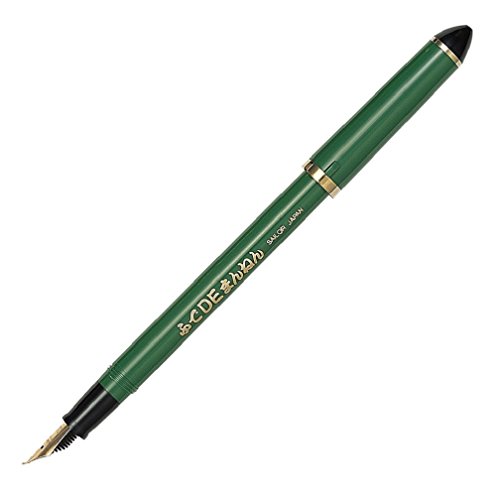
- 55-degree nib varies strokes by writing angle
- Produces fine-to-thick calligraphic lines
- Ambidextrous pen with a listed 0.5 mm line size
Best For: Expressive lettering and angle-controlled line variation
Best Ready-to-Use Pack

- Six pre-filled fountain pens in black and blue
- Stainless steel 1 mm medium nibs
- Visible ink supply and steady liquid-ink flow
Best For: Convenient everyday sketching and doodling
Best Multinib Starter Set
7-Piece Calligraphy Fountain Pen Kit

- Seven nib widths from 0.5 mm to 2.9 mm
- 40 cartridges in 11 colors
- Cartridge and converter refilling
Best For: Beginners exploring drawing, lettering, and calligraphy
Best Fine-Line Metal Pen
Hongdian Forest Extra Fine Fountain Pen
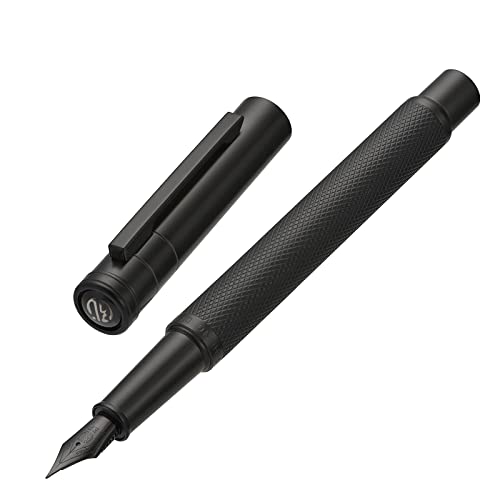
- 0.38 mm extra-fine nib
- Balanced metal body for extended use
- Converter and metal case included
Best For: Precise sketching and fine-line writing
Best Multicolor Disposable Pack

- Eight assorted ink colors
- 0.5 mm fine points for detail
- Quick-drying liquid ink with clear barrels
Best For: Color-coded sketching, journaling, and drafting
Most Versatile Set
Fine & Medium Nib Fountain Pen Set

- Fine and medium nibs for varied line work
- 18 cartridges plus converter and syringe filler
- Balanced body for extended use
Best For: Beginners and artists exploring different nibs and inks
Best Simple Fine-Line Option
FINTANIX Fine Nib Fountain Pen

- 0.3 mm fine nib for detailed marks
- 10 cartridges in black and blue
- Converter, sleeve, and manual included
Best For: Artists wanting a ready-to-use fine-point pen
Best Balanced Metal Body

- Matte black metal body with balanced feel
- 0.5 mm fine nib for controlled lines
- Cartridges, converter, and sleeve included
Best For: Artists who prefer a substantial ergonomic pen
Best Flexible Brush Pen – Kuretake Takujo No. 8
For artists seeking fountain pens for drawing with expressive line variation, the Kuretake Takujo No. 8 combines a fine synthetic brush tip with a refillable fountain-pen-style design. Its water-based black ink suits sketching, outlining, inking, and wash drawing.
Best For: Artists who want flexible thick-and-thin lines, detailed outlining, and a refillable brush-style drawing pen.
Pros:
- Fine synthetic fibers provide controlled thick-and-thin strokes.
- Flexible tip works for sketching, illustrations, lettering, and ink washes.
- Refillable design accepts compatible water-based dye or pigment cartridges.
- Water-based ink blends with water and is described as resistant to bleeding through paper.
Cons:
- Brush-tip handling may require more control than a rigid nib.
- Water-based dye ink is not the choice for water-resistant artwork.
The Takujo is a strong drawing-focused option when line variation and brush-like control matter more than a conventional metal fountain-pen feel.
Best Dip-Pen Variety Set – Speedball Sketching Set
The Speedball Sketching Set gives artists several dip-pen points for drawing, cross-hatching, lettering, and sketching. With six flexible points and two holders, it offers more nib variety than a single fountain pen for drawing, though it requires separate ink.
Best For: Beginners and artists who want to experiment with multiple flexible nib styles and line widths.
Pros:
- Includes six hand-crafted points for varied drawing techniques.
- Two holders accommodate both a crow quill point and a standard point.
- Flexible nibs provide control for sketching, lettering, and cross-hatching.
- Offers listed line sizes from 0.3 mm to 0.9 mm.
Cons:
- It is a dip-pen set, not a self-contained fountain pen.
- Ink is not included among the listed components.
- Dip pens require periodic reloading while drawing.
This set is particularly useful for artists who value experimentation and tactile nib feedback, but it is less convenient than a filled or cartridge-based pen.
Best Calligraphy-Style Fountain Pen – Sailor Fude De Mannen 55°
The Sailor Fude De Mannen uses a specialized 55-degree nib to vary line width as you change the writing angle. For fountain pens for drawing, that makes it useful for controlled lettering, expressive marks, and fine-to-thick strokes without switching nibs.
Best For: Artists and letterers who want angle-based line variation in a refillable-style fountain pen format.
Pros:
- Angled nib is designed for calligraphy-quality strokes.
- Changing the writing angle produces fine-to-thick lines.
- Fine point and 0.5 mm listed line size support detailed work.
- Ambidextrous design is suitable for left- or right-handed users.
Cons:
- Its calligraphy-oriented nib may have a learning curve for conventional sketching.
- The supplied details list blue ink, which may not suit monochrome drawings.
- Ink is not water resistant.
The Fude De Mannen is a specialized choice for artists who enjoy changing stroke character through hand angle and want a fountain-pen writing experience.
Best Ready-to-Use Pack – Pilot Precise Varsity 6-Pack
The Pilot Precise Varsity six-pack is a convenient entry point for fountain pens for drawing, sketching, and doodling. These pre-filled pens use stainless steel medium nibs and a liquid-ink feed designed for steady, smooth strokes, with black and blue pens included.
Best For: Casual drawing, sketching, note-taking, and artists who prefer ready-to-use pens without filling or cartridge setup.
Pros:
- Pre-filled and ready to use immediately.
- Six-pack includes black and blue ink colors.
- Laser-cut stainless steel nib and liquid-ink feed are designed for smooth flow.
- Visible ink supply makes remaining ink easy to monitor.
Cons:
- Disposable design limits refillability.
- Medium 1 mm nibs offer less line variation than flexible brush or calligraphy nibs.
- Ink is not listed as water resistant.
The Varsity pack prioritizes convenience and consistent writing over specialized expressive control, making it a practical option for everyday sketches and low-setup drawing.
Best Multinib Starter Set – 7-Piece Calligraphy Fountain Pen Kit
For artists comparing fountain pens for drawing, this set offers seven nib widths from 0.5 mm to 2.9 mm, making it easy to vary line weight. Its multicolor cartridges and refill options also suit lettering, sketching, and everyday writing.
Best For: Beginners who want multiple line widths and colors for drawing, calligraphy, and lettering.
Pros:
- Seven interchangeable nib widths support fine details and broad strokes.
- Includes 40 cartridges in 11 colors for immediate experimentation.
- Offers both portable cartridges and converters for bottled ink.
- Transparent barrels make ink levels easy to monitor.
Cons:
- The large set may be more equipment than users seeking one everyday pen need.
- It is supplied with water-based ink, so paper choice may affect drawing results.
With its broad nib selection, ergonomic triangular grips, and generous ink supply, this is a practical all-in-one choice for beginners exploring fountain pen drawing and calligraphy.
Best Fine-Line Metal Pen – Hongdian Forest Extra Fine Fountain Pen
When choosing fountain pens for drawing, the Hongdian Forest emphasizes controlled, narrow lines with its 0.38 mm extra-fine nib. The balanced metal body and included converter make it suited to precise sketching and extended writing sessions.
Best For: Artists and writers who prefer a single durable metal pen for fine line work.
Pros:
- Extra-fine 0.38 mm nib supports precise lines and detail.
- Balanced metal construction is designed for long writing sessions.
- Included converter allows use with bottled ink.
- Metal pen case makes storage and gifting convenient.
Cons:
- Ink is not included.
- It provides one nib width rather than interchangeable drawing options.
- The metal construction weighs more than a lightweight plastic pen.
This is a focused option for detailed drawing and writing rather than a multi-nib kit. Buyers will need to purchase bottled ink or compatible cartridges separately.
Best Multicolor Disposable Pack – EYEYE Fine Nib Fountain Pens
For accessible fountain pens for drawing, this eight-pack combines 0.5 mm fine points with assorted ink colors. The pens are useful for color-coded sketches, drafting, journaling, and other projects where quick-drying ink and visible ink levels are helpful.
Best For: Students, journalers, and casual artists who want several ready-to-use colors for detailed work.
Pros:
- Eight assorted colors support color-coding and creative projects.
- 0.5 mm fine nibs produce precise lines for sketching and drafting.
- Quick-drying, bleed-resistant liquid ink helps reduce smudging.
- Clear barrels show remaining ink at a glance.
Cons:
- The pack is disposable, so it does not offer refillable-pen flexibility.
- All pens use a fine 0.5 mm point rather than varied nib widths.
- Plastic construction may feel less substantial than a metal fountain pen.
This pack is a convenient way to add multiple colors to detailed drawings without buying separate pens. It is especially practical for fast-paced sketching and everyday creative use.
Most Versatile Set – Fine & Medium Nib Fountain Pen Set
For artists comparing fountain pens for drawing, the MU-13 stands out for its choice of fine and medium nibs. Its refill options and balanced design also make it suitable for sketching, journaling, calligraphy, and everyday writing.
Best For: Beginners and artists who want multiple nib options and flexible ink choices.
Pros:
- Includes both fine and medium nibs for detailed lines or more expressive marks.
- Comes with 18 multicolor cartridges, converters, and a syringe filler.
- Balanced weight is designed to improve control and reduce hand fatigue.
- Refillable design supports use with preferred bottled ink.
Cons:
- The included medium nib may be broader than some detail-focused drawing requires.
- The larger accessory assortment may be more than users seeking a simple pen need.
The MU-13 is the most adaptable option here for experimenting with line widths and inks. It is a practical starter set for drawing and writing, especially if you value included supplies.
Best Simple Fine-Line Option – FINTANIX Fine Nib Fountain Pen
If you prefer a straightforward fine-point tool for fountain pens for drawing, the FINTANIX combines a 0.3 mm line specification with a refillable design. Its included cartridges, converter, sleeve, and comfortable grip make it ready for sketching or writing out of the box.
Best For: Artists and writers who want a fine nib with a compact starter supply of ink.
Pros:
- Fine nib is specified at 0.3 mm for detail-oriented work.
- Includes five black and five blue cartridges for immediate use.
- Converter allows use with bottled ink.
- Metallic finish and ribbed grip provide a refined, practical design.
Cons:
- Only one fine nib is included, so there is no alternate line width.
- The product is supplied with water-based ink, which may limit ink experimentation initially.
The FINTANIX is a focused choice when fine lines matter more than nib variety. Its complete but uncomplicated package suits quick sketches, notes, and detailed pen work.
Best Balanced Metal Body – JINHAO Fine Nib Fountain Pen
For fountain pens for drawing that prioritize a sturdy feel, the JINHAO pairs a matte black metal body with a fine nib specified at 0.5 mm. Its ergonomic shape, converter, and included cartridges make it useful for controlled lines, sketching, and everyday writing.
Best For: Users who prefer a weightier metal pen with a fine nib and ergonomic shape.
Pros:
- Metal body offers a sturdy feel with stated weight and balance.
- Fine iridium alloy nib is specified at 0.5 mm.
- Includes five black and five light-blue cartridges plus a converter.
- Protective sleeve supports portable storage.
Cons:
- Its metal construction may feel heavier than lightweight drawing pens.
- The single fine nib provides less line-width flexibility than a multi-nib set.
The JINHAO is a solid match for artists who like a substantial pen in hand. Its fine point and balanced, streamlined design make it a practical option for controlled drawing lines without a large accessory kit.
How We Picked the Best Fountain Pens for Drawing
We focused on features that matter when a fountain pen is used as a drawing tool rather than only for handwriting. The selection covers flexible brush nibs, angled calligraphy nibs, fine and medium points, disposable pens, refillable models, and multi-nib sets. We also considered control, line variation, portability, included supplies, refill convenience, and suitability for beginners.
Because drawing preferences vary, there is no single best pen for every artist. A flexible nib may be ideal for expressive manga lines, while a fine, consistent point can be better for hatching, architectural sketches, or precise outlines.
Quick Comparison
- Best for expressive brush lines: Kuretake Fountain Brush Pen TAKUJO
- Best for calligraphy-style variation: Sailor Fude De Mannen
- Best traditional drawing set: Speedball Sketching Set
- Best disposable option: Pilot Precise Varsity
- Best for experimenting: Multi-nib calligraphy set with colored cartridges
- Best refillable starter value: Asvine, JINHAO, and comparable converter-equipped pens
- Best for sharing or classroom use: EYEYE eight-pack
Key Buying Factors for Fountain Pens for Drawing
Nib Style and Line Control
Nib shape has the greatest effect on your marks. Fine nibs suit detail work and crosshatching, while medium nibs make darker, more confident lines. Brush and fude nibs can produce thin-to-thick strokes by changing pressure or writing angle, but they require more practice. Replaceable-nib sets are useful if you want to explore several styles before committing.
Ink and Filling System
Cartridges are clean and convenient, especially for travel. Converters and eyedropper-style systems can hold more ink and make bottled-ink sampling easier. If you use waterproof or pigmented drawing ink, confirm that the pen is designed for it and clean the nib promptly; many fountain pens are intended for water-soluble ink only.
Comfort, Durability, and Portability
Look for a balanced body, a secure cap, and a grip that remains comfortable during long sketching sessions. Metal bodies can feel durable but may add weight. Disposable pens reduce maintenance, while refillable models create less waste and offer more long-term flexibility.
Who Should Buy Which Fountain Pens for Drawing?
Choose a brush or fude pen if you want lively contour lines, lettering, manga effects, or variable-width marks. Choose a fine-nib pen for controlled outlines, technical drawing, journaling, and detailed shading. Choose a Speedball-style holder set if you prefer traditional dip-pen techniques and easy nib swapping.
Beginners may prefer a disposable pack or an inexpensive set with cartridges, since these options lower the learning curve and let you test different nib widths. Frequent sketchers should consider a converter-equipped pen for broader ink choices and lower ongoing costs. Artists who travel or sketch outdoors may value compact cartridges and minimal cleanup more than maximum ink capacity.